Where they feed, how tide moves them, the presentations that actually work, and the rod, reel and leader setup that suits inshore redfish fishing.
Redfish are forgiving about tackle and unforgiving about approach. Anglers who catch them consistently are not using different lures to everyone else; they are in the right place on the right part of the tide, and they are quiet.
The short version
Find moving water over structure a redfish can ambush from. Fish the last of the falling tide or the first of the flood. Lead the fish, do not land on it. A paddletail on a jig head, 20 lb braid, 20–30 lb fluorocarbon leader, on a 7′ medium-light rod and a 3000 reel, will cover most of it.
Redfish are ambush feeders that use structure and current together. They are not roaming open water looking for food; they are sitting where the water brings it to them.
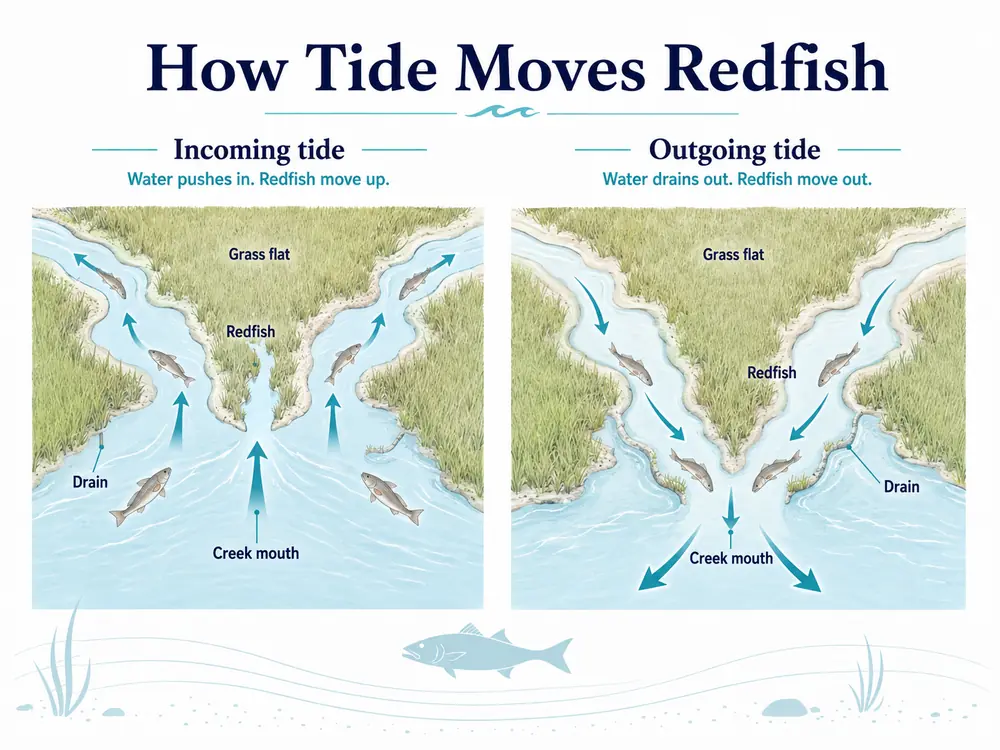
Tide is the variable that decides where fish are, and it matters more than time of day. Water has to be moving.
On a falling tide, water leaves the flat and takes bait with it. Fish stage at drains, creek mouths and the deeper edge of the flat. This is the most predictable redfish window there is.
On a rising tide, fish push back up onto the flat, often very shallow, feeding on what the new water covers first. This is when tailing fish appear and when sight fishing is at its best.
At slack water, high or low, fish scatter and feed less. It is the right time to move, eat lunch, or run to the next spot.
The most common reason a visible redfish does not eat is that the cast landed on it. Lead a moving fish by six to eight feet, let the lure settle, and start it moving away from the fish as it closes. Nothing prey-sized swims at a redfish.
Redfish do not demand expensive tackle, but they will find every weak point in a setup that is mismatched. The combination below is not the only one that works; it is the one that fails least often.
The full reasoning behind the reel choice is in our saltwater spinning reel guide, and if you fish from a kayak, the complete kayak setup puts this rod and reel in context with the rest of the build.
Connect braid to fluorocarbon with an FG knot if you can tie one and a double uni if you cannot. Both pass through guides acceptably; the FG is slimmer and the difference shows on long casts.
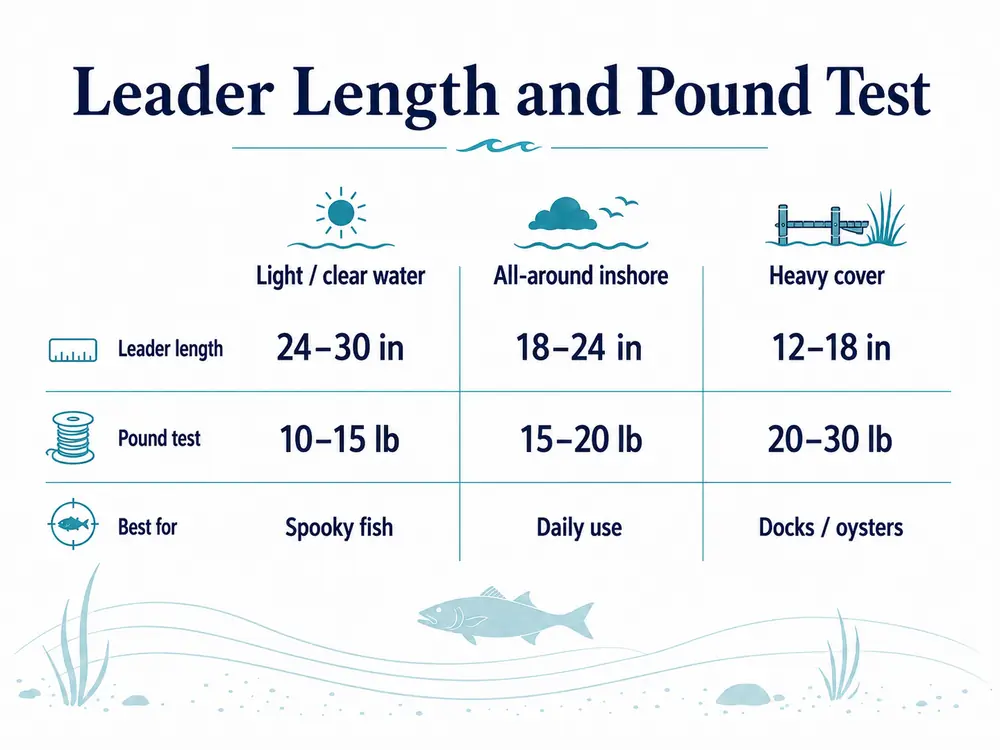
Around oyster bars and pilings, step the leader up to 30 lb. In clear, calm, skinny water with spooky fish, drop to 20 lb and lengthen the leader slightly. Leader visibility genuinely matters in clear water and genuinely does not in stained water, so do not carry one rule into both.
A moving tide beats a slack one almost every time. The last of the falling tide is a reliable window because it concentrates fish into deeper creek mouths and drains as the flats empty.
Early flood is the other strong window: fish push back onto the flat to feed on what the water covers first. Slack high and slack low tend to be the slowest hours of the day.
A 3000 or 4000 size spinning reel covers redfish comfortably. A 3000 is lighter for all-day casting; a 4000 gives more line for fish that run into structure.
Anything larger is unnecessary for slot-sized fish and simply makes the rod tiring to fish.
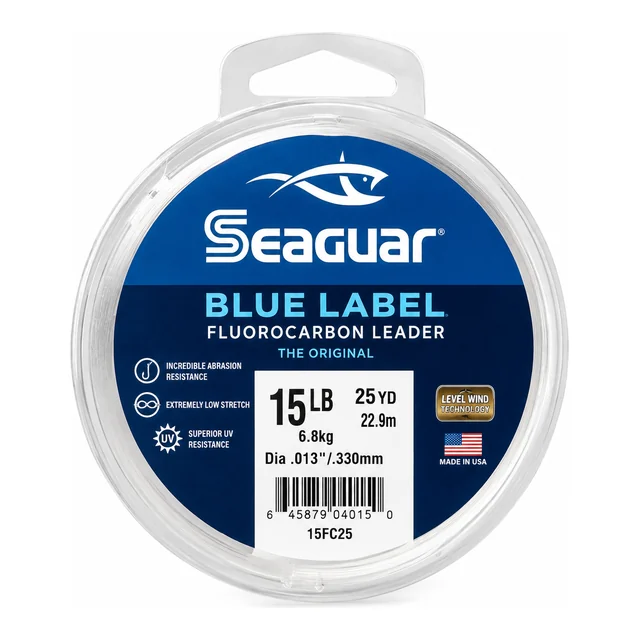
Twenty to thirty pound fluorocarbon covers most redfish fishing. Go to 30 lb around oyster bars and dock pilings, and drop to 20 lb in clear, open water where fish are spooky.
Two to three feet of leader is plenty. Longer leaders are harder to cast and rarely earn their keep.
Yes, particularly around lit docks and bridges where bait collects in the light line. Redfish will hold in the shadow and take what drifts past.
Night fishing changes presentation more than it changes location: slower retrieves and darker profiles work better once the light goes.
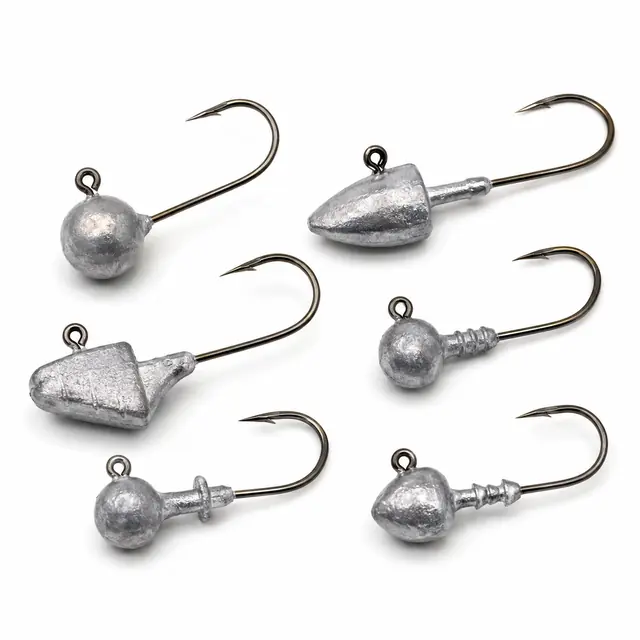
A three to four inch paddletail soft plastic on a 1/8 or 1/4 oz jig head is the most consistently productive redfish presentation across the widest range of conditions.
Gold spoons and weedless topwater are both excellent in the right water, but if you carried one thing, carry the paddletail.
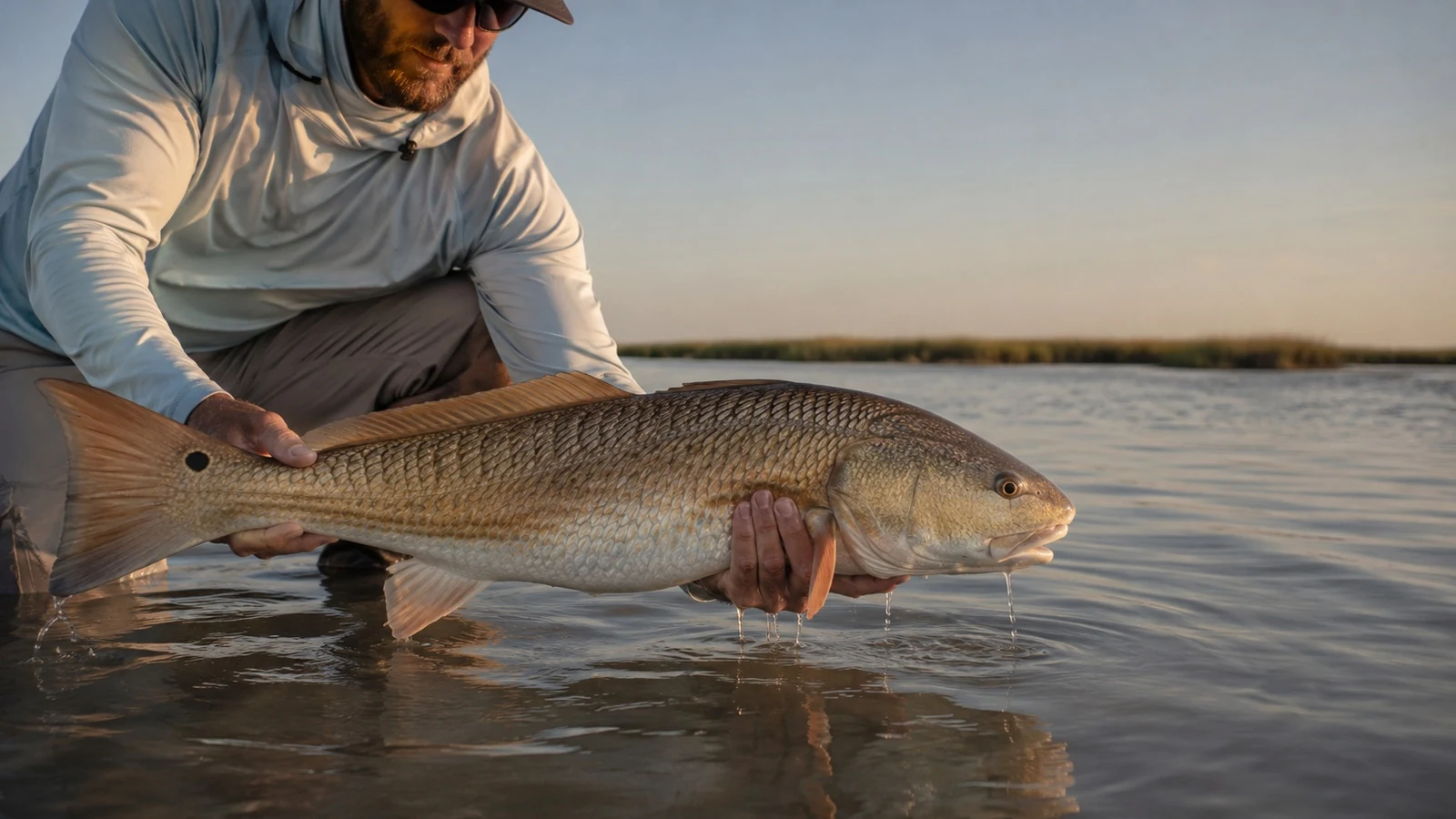
Shallow enough that their backs and tails are out of the water. Tailing redfish in less than a foot of water are the classic flats sight-fishing target.
In water that shallow, noise and shadow matter far more than lure choice. Approach quietly and cast well ahead of the fish.
Yes, and slot regulations exist specifically so that populations can support harvest. Check your state’s current slot limit and bag limit before keeping any fish, as these change.
Larger bull reds are generally released; they are the breeding stock and the meat quality falls off with size.
Usually because the cast landed on them. Lead a moving fish by six to eight feet and let the lure sit until the fish is close, then move it away from the fish, never towards it.
The second most common reason is leader that is too heavy and too visible in clear, calm water.
If this guide answered the question you came with, the next question is usually about gear. These are the logical next steps rather than a list of products dropped at the end of an article.
Affiliate disclosure. ReefReadyGear is a participant in the Amazon Services LLC Associates Program. As an Amazon Associate I earn from qualifying purchases. Links to products on this page are affiliate links, and they never change what you pay.
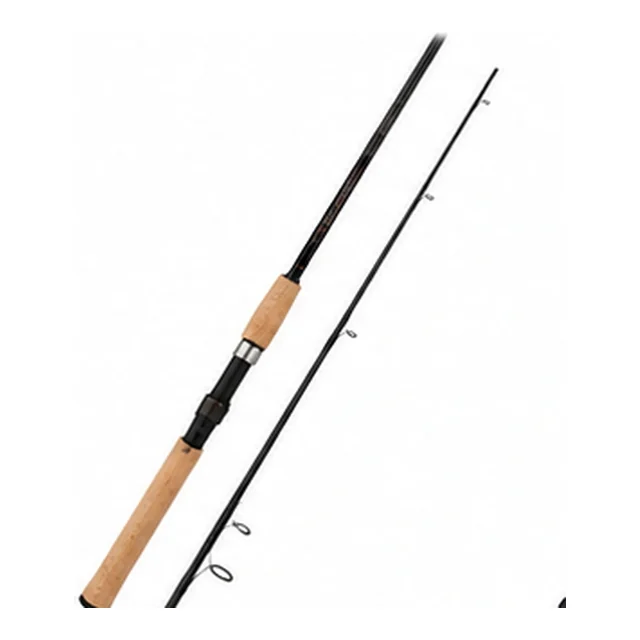
The workhorse length and power for redfish, trout and snook on soft plastics and topwater, in the actions inshore anglers reach for most.
$200Retailer list, Aug 2026
You will lose these to oyster bars and rock, and that is exactly why they matter commercially: the highest repeat-purchase item in an inshore box.
Budget tierCheck Amazon for current price
Leader is where a lot of lost fish are decided. Blue Label’s double-structure build is aimed at impact strength and abrasion resistance around structure, oysters and dock pilings.
From ~$13Retailer list, Aug 2026
Larry Murray
Editor, ReefReadyGear
Larry edits ReefReadyGear, a research-led saltwater gear publication. Recommendations here are built from manufacturer specifications, authorised retailer listings and published angler experience, and we say so plainly rather than implying a testing programme we do not run. Where a claim comes from a manufacturer, we attribute it. Where we have not verified something, we do not print it.

Best Saltwater Spinning Reels
The reel decision behind this setup.
Complete SetupComplete Saltwater Kayak Fishing Setup
Fishing redfish from a kayak.
CategoryAll Fishing Guides
Species, technique, rigging and beginner education.
CategoryTools & Accessories
Braid, leader, jig heads and lures.
Get saltwater Fishing Guides, expert Buyers Guides, equipment recommendations, marine electronics insights, and practical gear tips delivered to your inbox.
No spam. Unsubscribe in one click.
Premium Gear. Smarter Fishing. Endless Ocean Adventures.
Independent saltwater gear research, buying guides and fishing education for anglers who fish kayaks, boats, flats, surf and offshore.
Affiliate disclosure. ReefReadyGear is a participant in the Amazon Services LLC Associates Program. As an Amazon Associate I earn from qualifying purchases. Links to products on this page are affiliate links, and they never change what you pay.
© 2026 ReefReadyGear.com. All rights reserved.