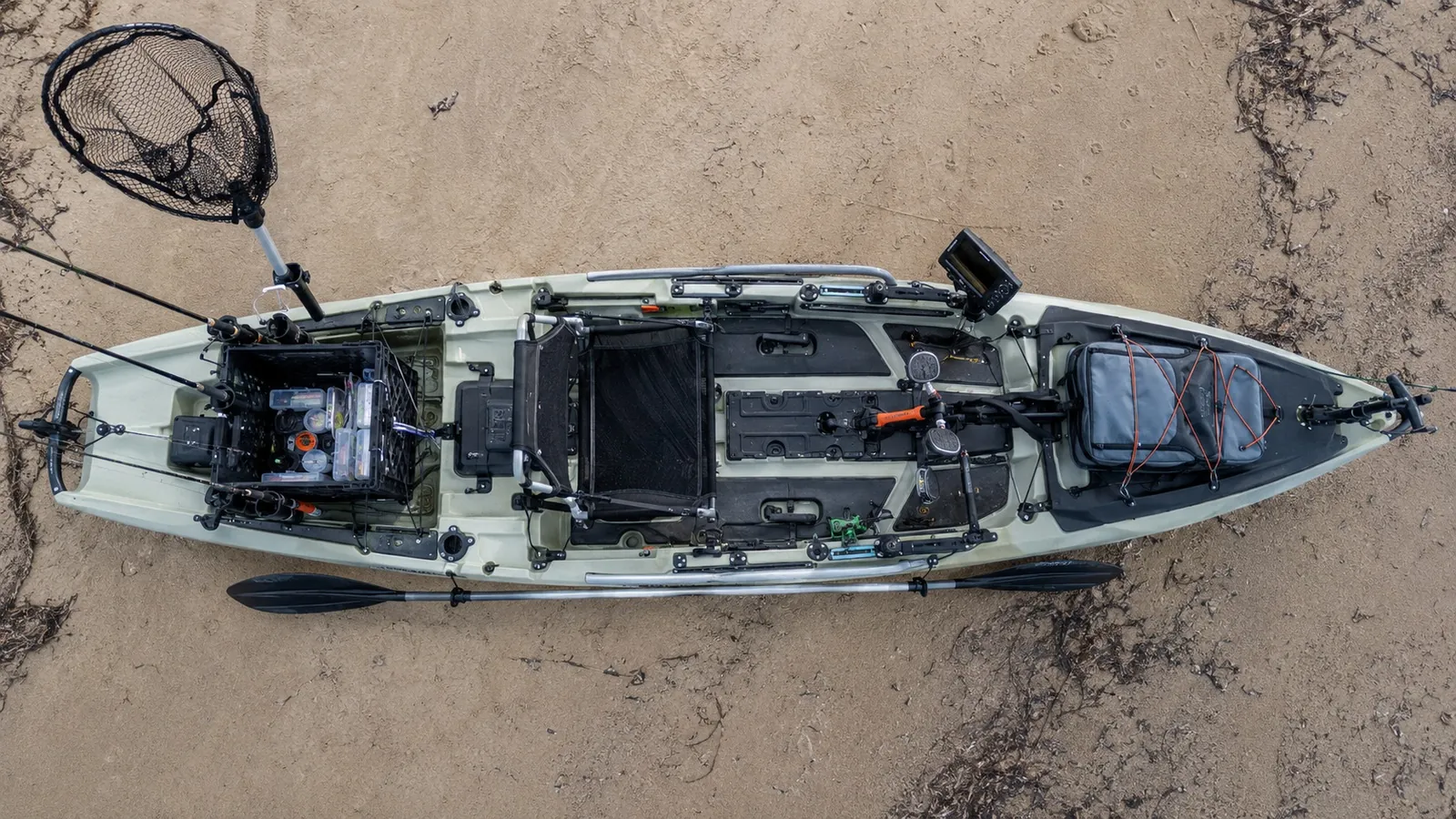
Complete Saltwater Kayak Fishing Setup
Every component in the order that actually makes sense — safety, storage, rod holders, electronics and power, rod and reel, then tools.
Build it in this order
Safety, then storage, then rod holders, then electronics, then rod and reel, then tools. The most common and most expensive sequencing error is buying a fish finder first and ending up with a screen on a kayak that still has nowhere to put tackle. A crate costs a fraction of a chartplotter and changes far more about how the kayak fishes.
This page names multiple products because a kayak build genuinely needs multiple components. Every one of them appears because it does a job in the build, not to lengthen the list.
Affiliate disclosure. ReefReadyGear is a participant in the Amazon Services LLC Associates Program. As an Amazon Associate I earn from qualifying purchases. Links to products on this page are affiliate links, and they never change what you pay.
Build it in this order
- Craft and safety — PFD first, always.
- Storage and organisation — a crate turns chaos into a system.
- Rod holders and mounts — install bases once, expand forever.
- Electronics and power — only once there is somewhere sensible to put them.
- Rod, reel and line — sized to your water, not to the kayak.
- Tools and handling — the cheap items that make every fish easier.
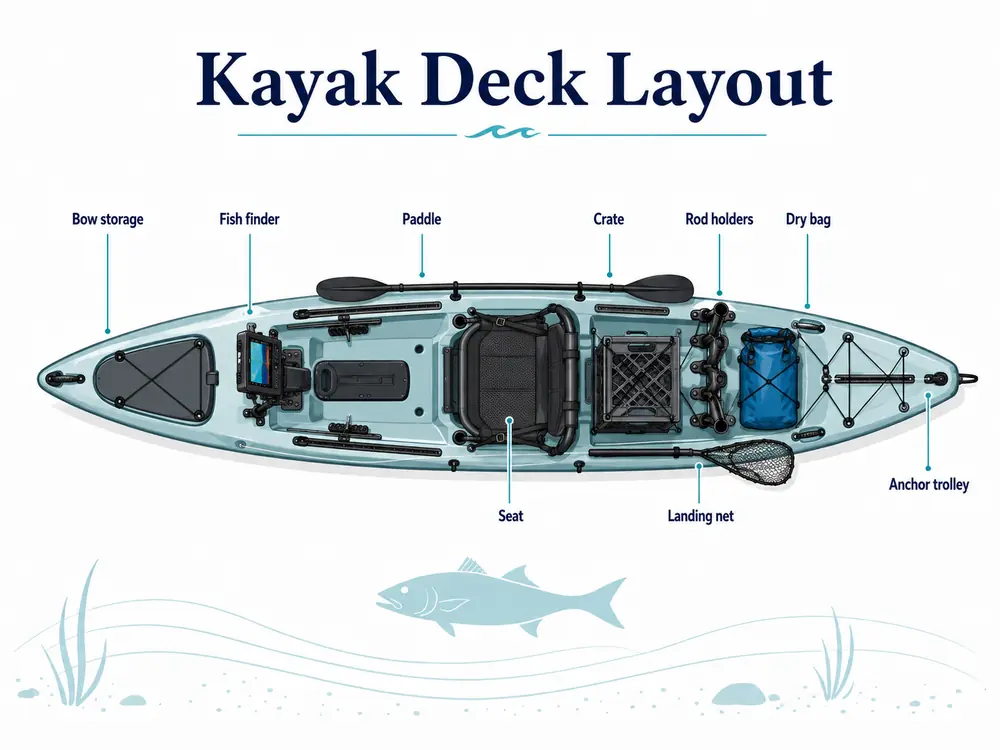
1. The craft and safety
Nothing else on this page matters if this part is wrong. A kayak-cut or inflatable PFD is comfortable enough that you will actually keep it on, which is the only feature that counts. A cart is the accessory that decides whether long-walk launches stay in your rotation, and a dry bag is where your phone, keys and a spare layer live.
Worth knowing
Check your national or state requirements for PFDs, lights and whistles on a kayak. They vary, and they are enforced.
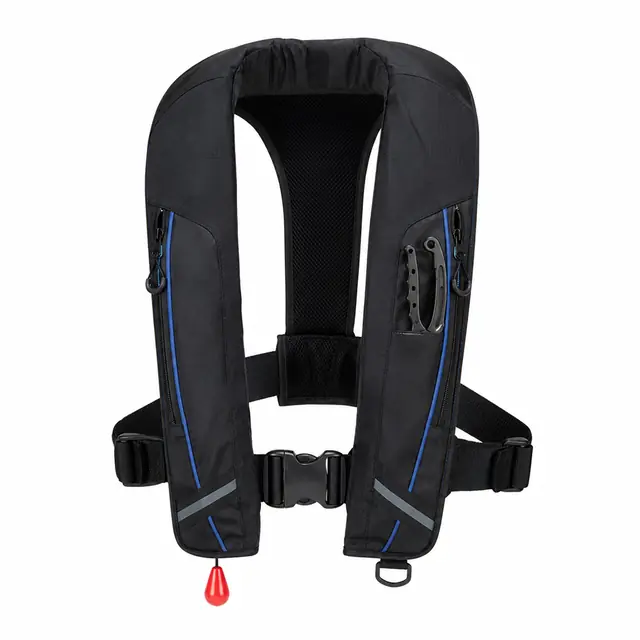
Fishing PFD (Inflatable or Kayak-Cut)
The one item on this site with no upgrade path and no substitute. A kayak-cut or inflatable PFD is comfortable enough that you will actually keep it on.
- Kayak-cut vests sit high and clear a seat back
- Inflatables must be serviced — check the cylinder and indicator
- Confirm the model is approved by your national authority
- Fit it over the layers you actually fish in
Mid tierCheck Amazon for current price
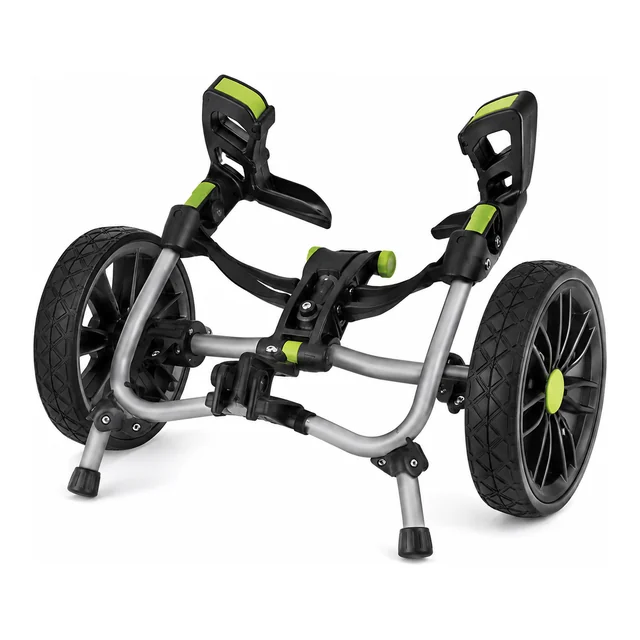
Kayak Cart / Trolley
A loaded fishing kayak is heavy and awkward. The cart is the accessory that decides whether the long-walk launches stay in your rotation.
- Balloon or airless tyres for soft sand
- Check the load rating against kayak plus gear weight
- Scupper-hole carts suit sit-on-tops; strap carts suit everything else
- Stainless or anodised frame; steel rusts out in a season
Mid tierCheck Amazon for current price
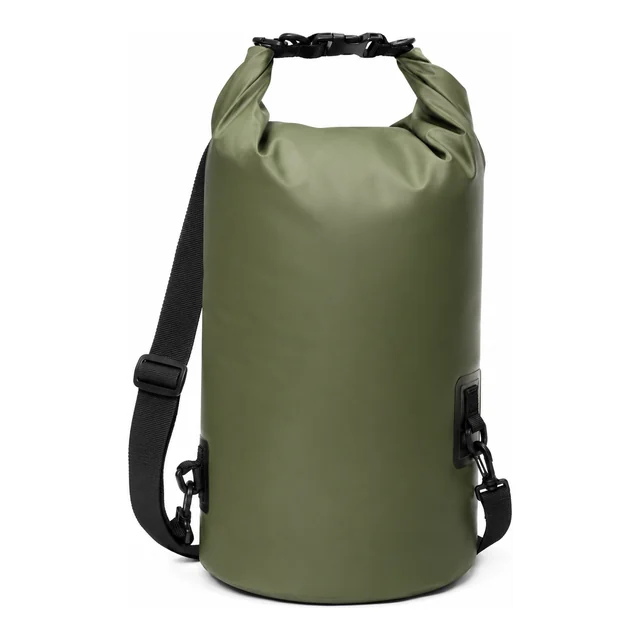
Roll-Top Dry Bag (10–20 L)
Phone, keys, spare layer, first aid. On a sit-on-top kayak, everything not in a dry bag is eventually wet. 10–20 L is the useful range for a day.
- Roll the top three times before clipping for a real seal
- 10 L for essentials, 20 L if you carry a layer and lunch
- Bright colours are easier to find and easier to spot if lost
- Clip it to the deck — a floating bag drifting away is still a lost bag
Budget tierCheck Amazon for current price
2. Storage and organisation
A fishing crate is the highest-impact purchase in a kayak build and almost nobody buys it first. It gives tackle a home, rods a resting place and the whole setup a single lift-out unit you rig at home and carry to the launch in one movement. Fill it with sealed, rust-inhibiting boxes, because salt destroys terminal tackle faster than anything else on the kayak.
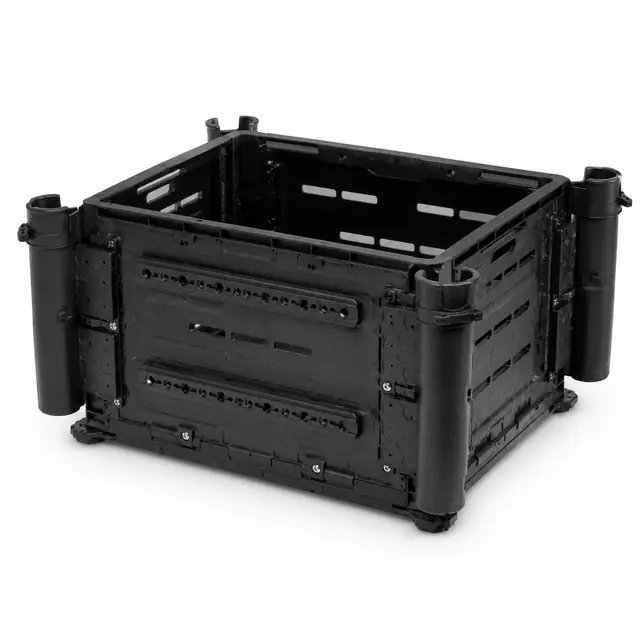
YakAttack BlackPak Pro Kayak Fishing Crate
The organising centre of a kayak setup: tackle below, rods in the corner tubes, everything in one lift-out unit you can carry from truck to launch.
- Available in 13″ × 13″ and 13″ × 16″ footprints
- Corner rod-tube positions
- Fits standard 3600/3700 utility boxes
- Lift-out design — rig it at home, load it in one movement
Premium tierCheck Amazon for current price
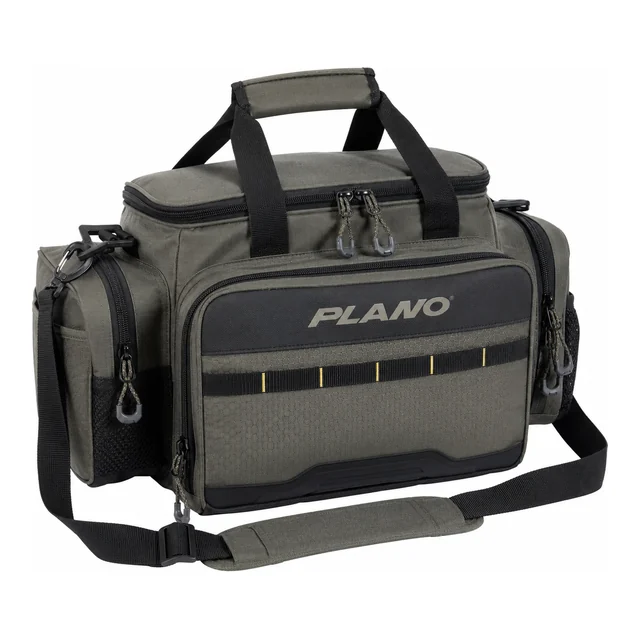
Waterproof Terminal Tackle Storage
Salt destroys hooks and jig heads faster than anything else in the box. Sealed, rust-inhibiting storage is a cheap way to stop replacing terminal tackle every season.
- Look for a rust-inhibiting liner, not just a rubber gasket
- 3600 and 3700 footprints fit most kayak crates and boat lockers
- Dedicated leader and terminal trays keep rigs untangled
- Rinse and dry before closing — a sealed box traps salt water too
Budget tierCheck Amazon for current price
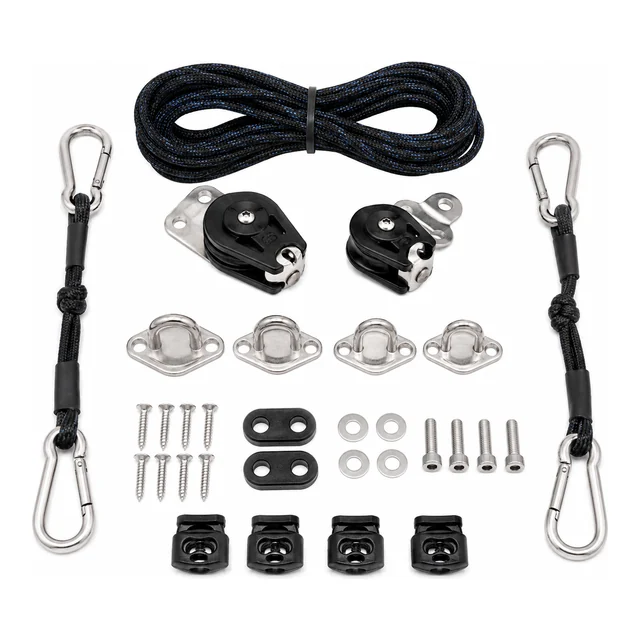
Kayak Anchor Trolley Kit
Lets you shift your anchor point bow to stern so the kayak sits at the angle you want relative to wind and tide. In current, this changes how you fish more than any gadget.
- Pad eyes, pulleys, ring and line — check the kit is complete
- Rig along the side you fish from
- Never anchor from the bow in strong current on a kayak
- Pair with a stake-out pole for shallow flats
Budget tierCheck Amazon for current price
3. Rod holders and mounts
Install a mounting base system once and everything else attaches through it: rod holders, camera arms, lights, electronics. This is the decision that determines whether your kayak can grow with you or whether every upgrade means drilling new holes. Plan base positions with the kayak on the ground and a rod in your hand before you cut anything.
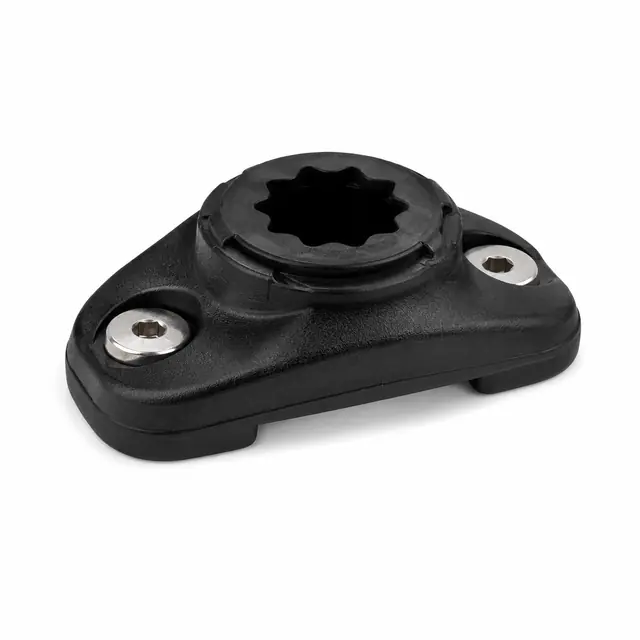
RAILBLAZA StarPort HD Mount Base
Install the base once and swap accessories through it forever: rod holders, camera arms, lights, electronics mounts. This is how a kayak setup stays expandable.
- Single base accepts the full RAILBLAZA accessory range
- Flush or recessed mounting into the deck
- TracNut kits available for track-equipped kayaks
- Plan base positions before you drill anything
Mid tierCheck Amazon for current price
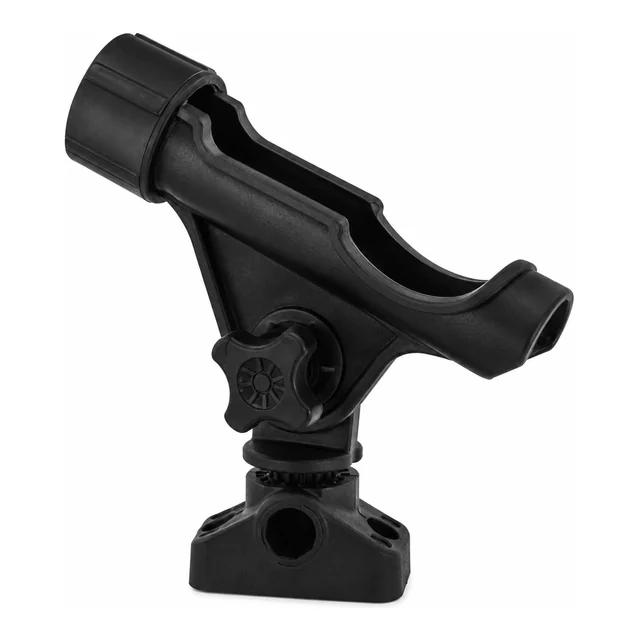
Scotty 280 Baitcaster/Spinning Rod Holder
A cushioned cradle with a front slot for the spinning reel foot, on a mount that gives you full horizontal rotation. Nylon construction is the point in a salt environment.
- Fibre-reinforced engineering-grade nylon
- 360° horizontal rotation plus vertical adjustment
- 1.30″ baitcaster interior diameter
- Supplied with the 241 side-deck mount (top or side of gunwale)
- Soft latching strap retains the rod
Mid tierCheck Amazon for current price
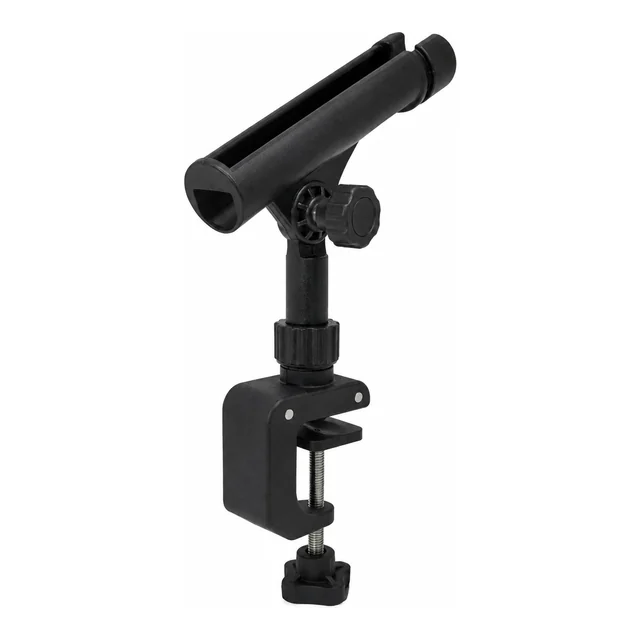
Boat Rod Holder (Clamp or Flush Mount)
Trolling, bait fishing and simply keeping rods out from underfoot. Clamp-on holders let you add positions to a rail without drilling the boat.
- Clamp-on for rails, flush-mount for gunwales
- 316 stainless or reinforced nylon for salt service
- Check tube diameter against your rod butts, including gimbals
- Add gimbal pins if you troll with heavy conventional gear
Mid tierCheck Amazon for current price
4. Electronics and power
Now the fish finder makes sense, because there is somewhere to mount it and a system to run power through. On a kayak the constraints are screen size, power draw and mounting, in that order. A 5-inch CHIRP and ClearVü unit with GPS covers most kayak fishing; the 7-inch units in our electronics category make more sense on a boat console.
Worth knowing
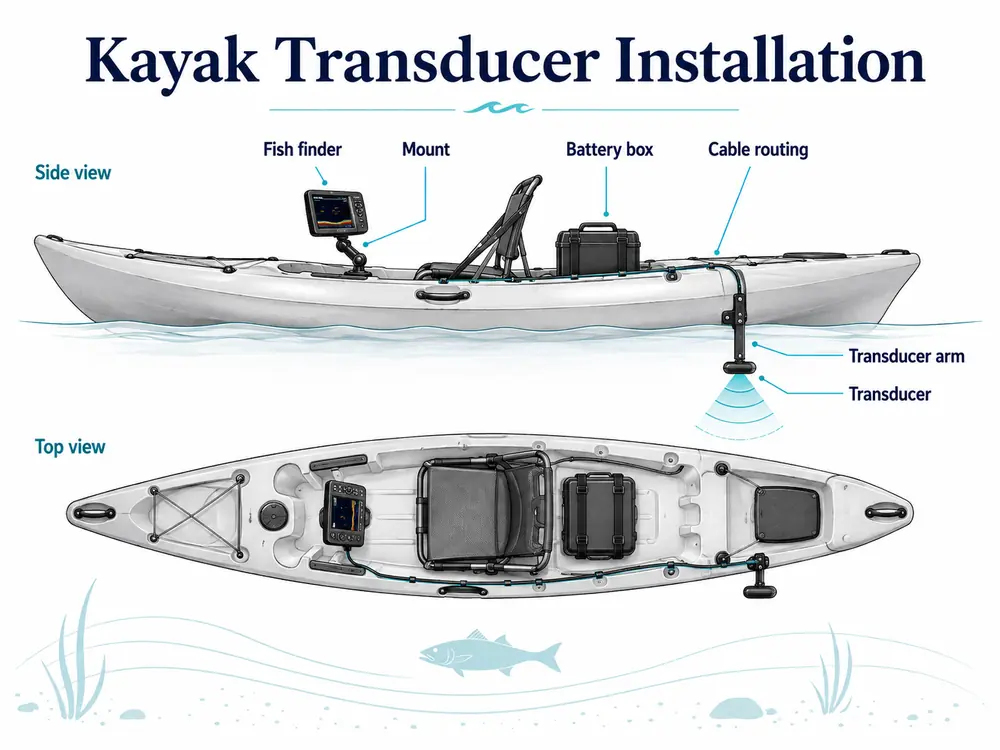
Fuse the positive lead. Keep the battery in a dry bag or sealed box, not loose in the hull, and route cable so it cannot snag a foot or a line.
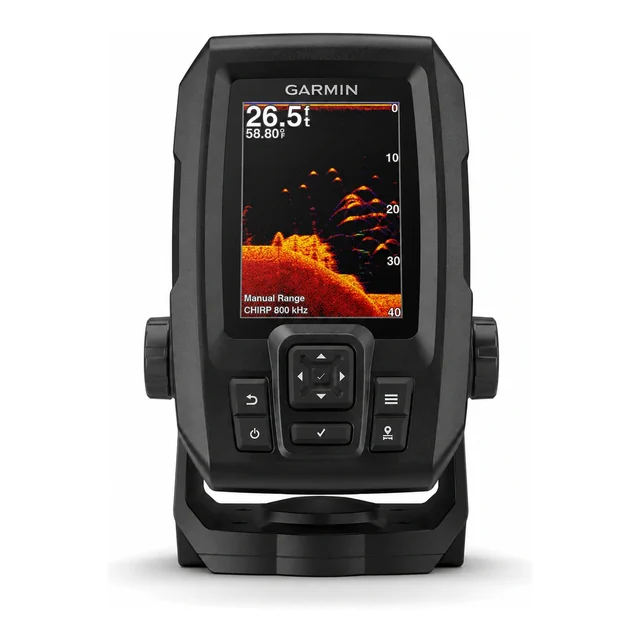
Garmin STRIKER Vivid 4cv
A compact CHIRP and ClearVü unit with GPS. The small footprint and modest power draw are what make it a common first kayak install.
- 4.3″ display with selectable vivid colour palettes
- ClearVü scanning plus traditional CHIRP
- GPS waypoint marking and speed
- Very low current draw
- No chartplotter cartography — waypoint navigation only
$199.99Retailer list, Aug 2026
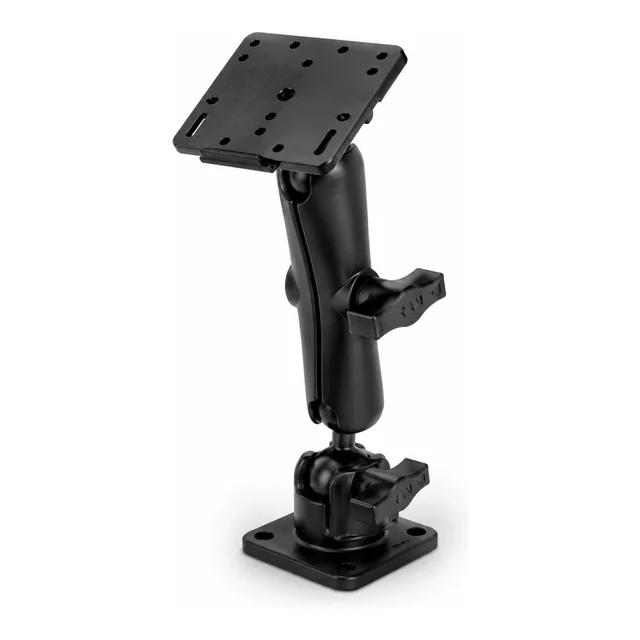
RAM Mounts Marine Electronics Mount
Gets the screen off the deck and into your eyeline. The right mount is the difference between reading sonar at a glance and craning your neck all morning.
- Rubber ball-and-socket vibration damping
- Marine-grade hardware options
- Component system with replaceable parts
- Fits most kayak track and deck bases
$61.49Retailer list, Aug 2026
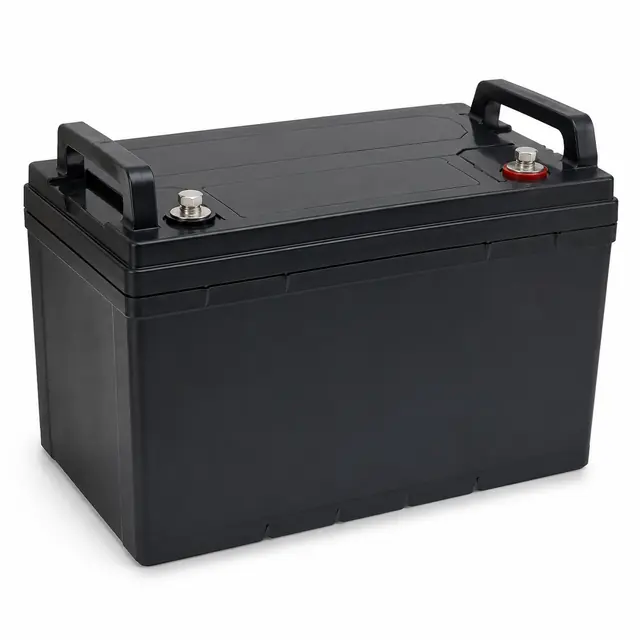
12V Lithium (LiFePO4) Marine Battery
A fish finder is only as reliable as what feeds it. Lithium chemistry saves meaningful weight over sealed lead-acid, which matters more on a kayak than anywhere else.
- Match capacity (Ah) to your unit’s draw and your session length
- Confirm the pack has a built-in battery management system
- Use an in-line fuse on the positive lead
- Store in a dry bag or sealed box, not loose in the hull
Mid tierCheck Amazon for current price
5. Rod, reel and line
Kayak fishing is casting-heavy and low to the water, which pushes you towards a slightly shorter rod than you would fish from a boat and a reel light enough for a full day. A 7′ medium-light rod with a 3000–4000 reel is the standard inshore answer; the reasoning is set out in our spinning reel guide. Sealing matters more on a kayak than almost anywhere else, because you sit at water level and everything gets wet.
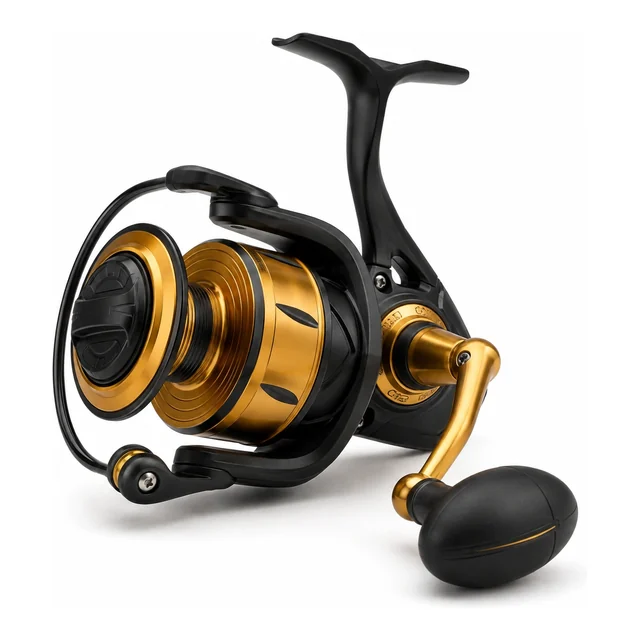
PENN Spinfisher VII Spinning Reel
IPX5 sealing is the headline. If your reel spends its life taking wash on a jetty, in the surf or on an open kayak deck, sealing is the spec that earns its keep.
- IPX5 sealing on the gearbox and drag system
- Full metal body and sideplate, CNC Gear system
- 6 sealed stainless steel ball bearings
- Nine sizes, 2500 through 10500
- Max drag 15 lb (2500) to 50 lb (10500)
$209.95–$339.95Manufacturer list by size, Aug 2026
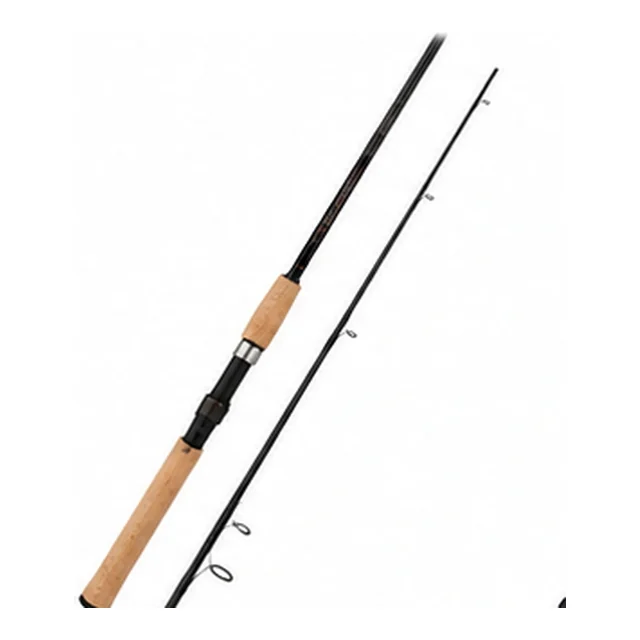
St. Croix Mojo Inshore Spinning Rod
The workhorse length and power for redfish, trout and snook on soft plastics and topwater, in the actions inshore anglers reach for most.
- SCII graphite blank
- Corrosion-resistant guide train
- Split-grip cork or EVA handles
- Inshore actions from 7ft to 7ft 6in
- Match to a 2500–4000 size reel
$200Retailer list, Aug 2026
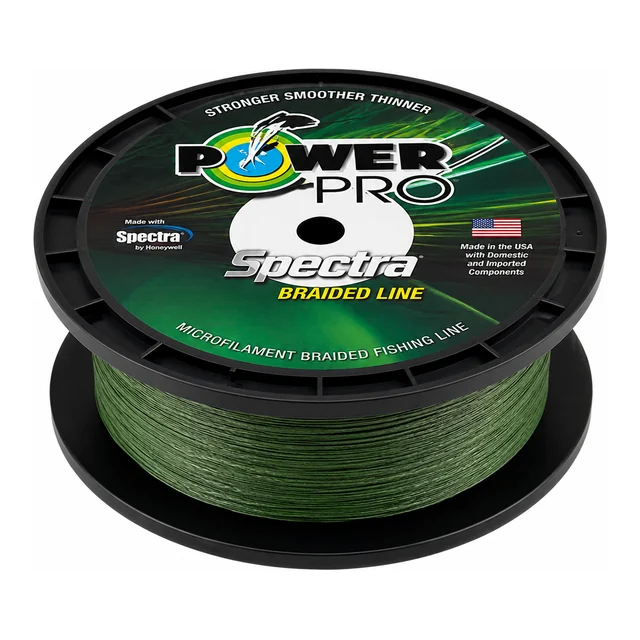
PowerPro Spectra Braided Line
Braid is the highest-frequency repeat purchase in saltwater fishing. Round profile, small diameter for its rating, and available in spool sizes from 150 yd to 1,500 yd.
- Spectra fibre with Enhanced Body Technology treatment
- Widely available 10–80 lb; 20–30 lb covers most inshore work
- Spool sizes from 150 yd up to 1,500 yd bulk
- Hi-Vis Yellow, moss green and white
- Always finish with a fluorocarbon leader in clear saltwater
Budget tierCheck Amazon for current price
6. Tools and handling
The cheapest section on the page and the one you will use most. Pliers that cut braid, a net that will not tangle every treble hook you own, grips that keep your hand away from a thrashing fish, and leader you can trust against an oyster bar.
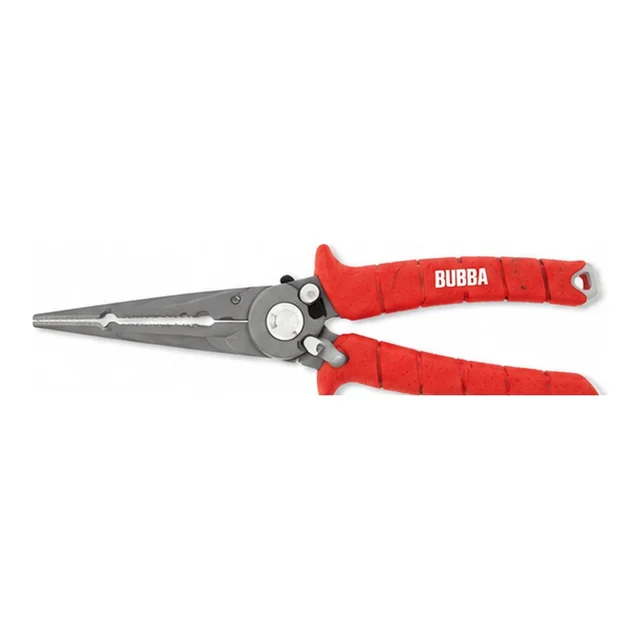
Bubba Ti-Bonded 7in Fishing Pliers
The tool you reach for on every fish. Non-slip grips, hardened cutters that will actually part braid, and a sheath so it is on your hip and not rolling around the deck.
- Ti-Bonded stainless steel construction
- Replaceable carbide braid cutters
- Non-slip trigger grip
- Sheath and lanyard included
- Rinse after every trip
$25.19Retailer list, Aug 2026
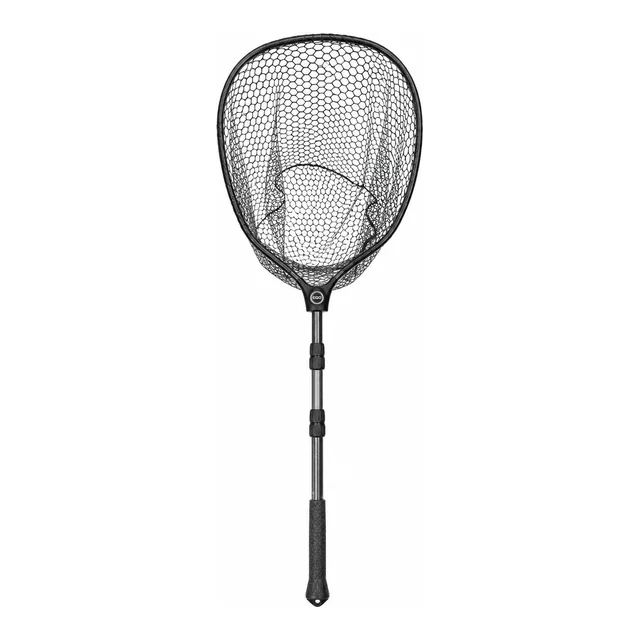
Rubber-Coated Saltwater Landing Net
Rubber-coated mesh is easier on a fish’s slime coat and, selfishly, far less likely to tangle a treble hook than knotted nylon.
- Rubber or rubber-coated mesh for release fishing
- Short handle for kayaks, long handle for boat gunwales
- Check the hoop will actually clear a slot redfish
- Folding or collapsible frames stow better on a kayak
Mid tierCheck Amazon for current price
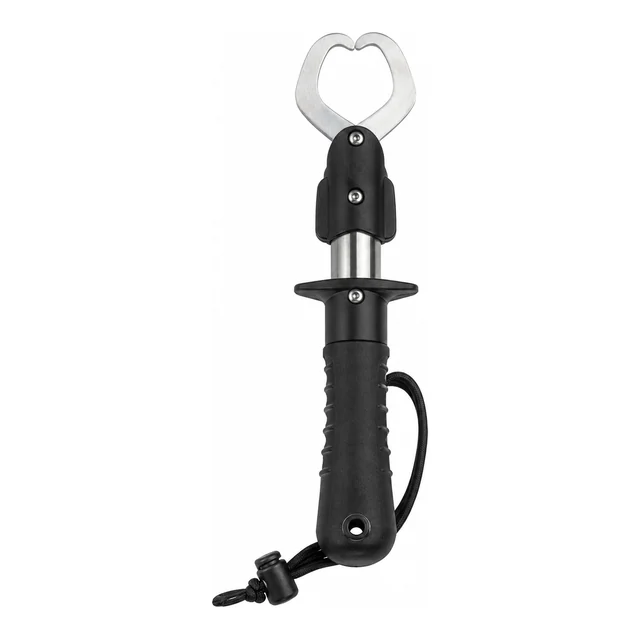
Floating Fish Grips
Controls a thrashing fish for the hook removal and the photo without a hand near the gills or a mouthful of trebles. Buy the floating kind.
- Floating body — a sinking gripper is a one-trip tool
- Stainless jaws with a trigger release
- Support the fish’s body horizontally; do not hang heavy fish vertically
- Lanyard attachment point
Budget tierCheck Amazon for current price
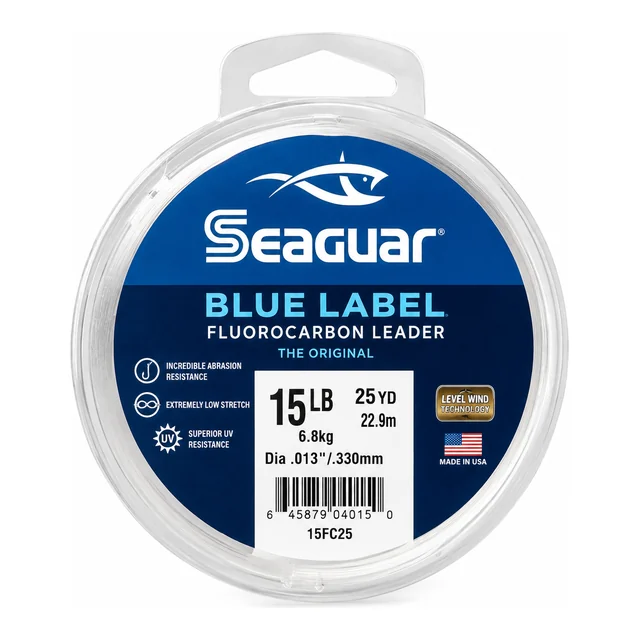
Seaguar Blue Label Fluorocarbon Leader
Leader is where a lot of lost fish are decided. Blue Label’s double-structure build is aimed at impact strength and abrasion resistance around structure, oysters and dock pilings.
- 100% fluorocarbon, made in Japan
- Double-Structure Fusion combines two fluorocarbon resins
- Rated by Seaguar 80/100 for abrasion resistance
- Freshwater and saltwater; 25, 50 and 100 yd spools
- 20–30 lb covers most redfish and snook work
From ~$13Retailer list, Aug 2026
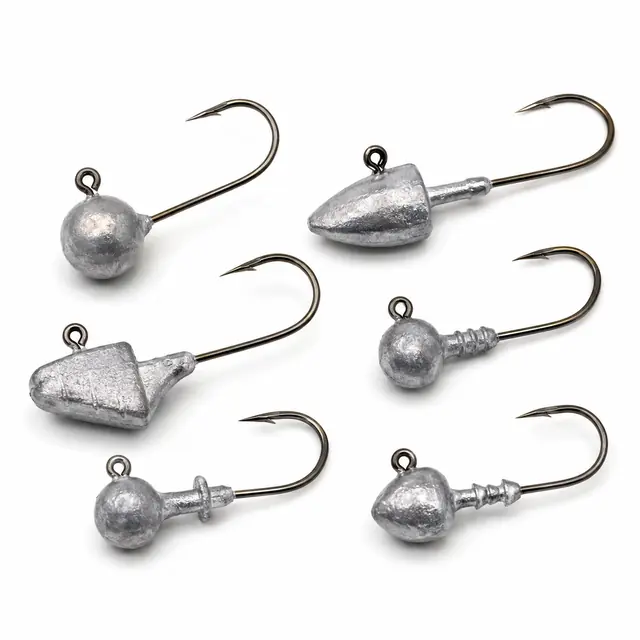
Inshore Jig Heads (1/8–1/4 oz)
You will lose these to oyster bars and rock, and that is exactly why they matter commercially: the highest repeat-purchase item in an inshore box.
- 1/8 oz for shallow flats, 1/4 oz for current and depth
- Corrosion-resistant hooks — freshwater jig heads rust through fast
- Match hook size to your soft plastic, not to the fish
- Keep three weights and two hook sizes in the box
Budget tierCheck Amazon for current price
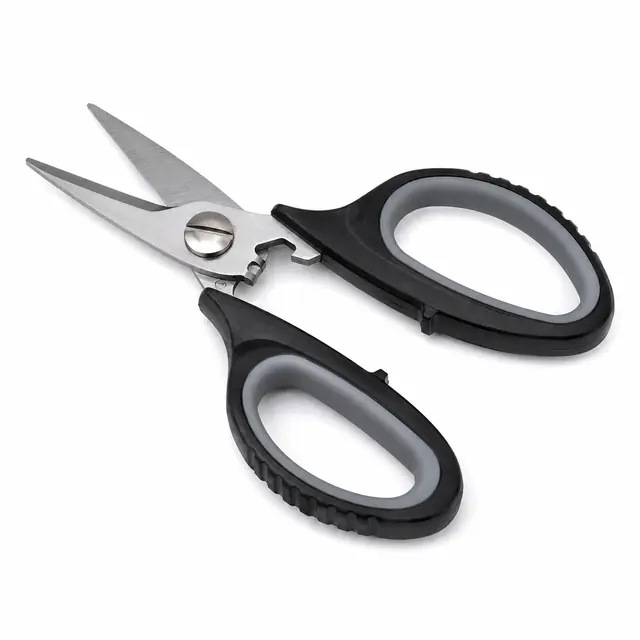
Braid Scissors / Line Cutters
Ordinary scissors fray braid instead of cutting it, and a frayed tag end will not pass through a knot cleanly. A genuinely cheap fix for a daily annoyance.
- Micro-serrated blades rated for braided line
- Stainless or coated blades for salt exposure
- Retractor or lanyard so they live on your person
- Rinse after every trip
Budget tierCheck Amazon for current price
What this costs
We do not publish live prices, because they change and because misrepresenting an Amazon price is both misleading and against the Associates programme rules. What we can tell you is roughly how the budget distributes:
- Safety and craft accessories — a small but non-negotiable share.
- Storage and mounting — modest cost, disproportionate effect on how the kayak fishes.
- Electronics and power — typically the largest single line, and the one most worth delaying until you know how you fish.
- Rod, reel and line — the second largest, and the one where the upgrade path is clearest.
- Tools and consumables — small individually, recurring forever.
If you are buying in stages
Season one: PFD, kayak, paddle, one rod and reel, a crate, pliers, a net. Season two: mounting bases, rod holders, anchor trolley. Season three: electronics and power. This order costs the least in equipment you later replace.
Frequently asked questions
A PFD, a kayak, a paddle, one rod and reel, a leash for the rod, and a way to carry water. Everything else on this page is an improvement rather than a requirement.
The most common beginner mistake is buying accessories before spending a season learning what you personally reach for.
No, and plenty of very good kayak anglers do not use one. A fish finder earns its place when you fish deeper water, unfamiliar water, or structure you cannot see.
On a shallow flat where you are sight fishing, it does very little.
Safety first, then storage, then rod holders, then electronics. Storage before electronics surprises people, but a crate turns a cluttered kayak into a workable one, and it costs a fraction of a fish finder.
Buying electronics first is the classic sequence error: you end up with a screen and nowhere to put your tackle.
A small sealed lead-acid or lithium (LiFePO4) 12V pack, fused on the positive lead and kept in a dry bag or sealed box.
Match capacity to your unit’s draw and the length of your sessions, and check the pack has a built-in battery management system.
Most kayak anglers either shoot through the hull with a transducer bonded inside, or mount through a scupper hole. Through-hull is tidier and has no drag; scupper mounts are easier to remove and service.
Both work. Neither works if the transducer is not fully in contact with water or hull, with no air gaps.
In shallow water a stake-out pole is faster, quieter and less likely to snag than an anchor. In deeper water or strong current, an anchor with a trolley is the right tool.
Never anchor a kayak from the bow in strong current. Use a trolley so you can move the anchor point and keep the kayak angled safely.
PFD worn, not stowed. Whistle, light if there is any chance of low light, a phone in a waterproof case, drinking water, and a plan someone on shore knows about.
Check the weather and the wind direction before you launch, and know how you will get back if the wind turns.
If your launches involve more than about fifty metres of walking with a loaded kayak, yes. It is the accessory most likely to keep marginal launches in your rotation.
Look for balloon or airless tyres if you cross soft sand, and a stainless or anodised frame, because steel frames rust out fast.
Larry Murray
Editor, ReefReadyGear
Larry edits ReefReadyGear, a research-led saltwater gear publication. Recommendations here are built from manufacturer specifications, authorised retailer listings and published angler experience, and we say so plainly rather than implying a testing programme we do not run. Where a claim comes from a manufacturer, we attribute it. Where we have not verified something, we do not print it.
Related reading
Sources
Specifications on this page were taken from the following manufacturer and authorised retailer listings, consulted 22 August 2026. Prices change; always confirm the current figure on Amazon before buying.
- Garmin STRIKER Vivid 4cv product page
- PENN Spinfisher VII specifications and MSRP
- Scotty 280 Baitcaster/Spinning Rod Holder specifications
- YakAttack BlackPak Pro crate sizes
- RAILBLAZA StarPort HD mounting system

Join The ReefReady Community
Get saltwater Fishing Guides, expert Buyers Guides, equipment recommendations, marine electronics insights, and practical gear tips delivered to your inbox.
No spam. Unsubscribe in one click.
Premium Gear. Smarter Fishing. Endless Ocean Adventures.
Independent saltwater gear research, buying guides and fishing education for anglers who fish kayaks, boats, flats, surf and offshore.
Categories
Affiliate disclosure. ReefReadyGear is a participant in the Amazon Services LLC Associates Program. As an Amazon Associate I earn from qualifying purchases. Links to products on this page are affiliate links, and they never change what you pay.
© 2026 ReefReadyGear.com. All rights reserved.