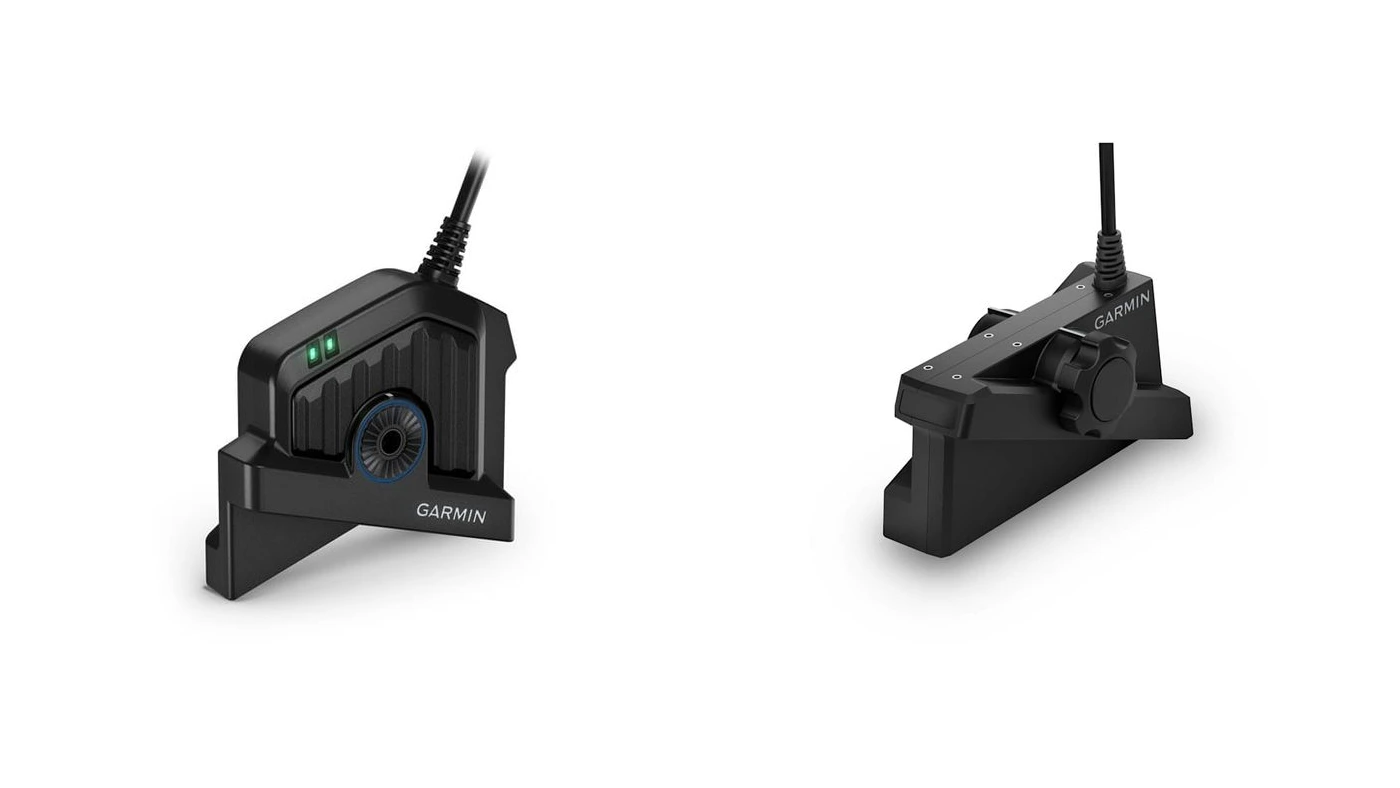
LiveScope 2 vs LiveScope XR for Saltwater: Range, Targets and Upgrade Cost
XR and LiveScope 2 answer different range and installation questions. Compare useful target distance in saltwater before deciding whether to retain a module-based system or move to direct connection.
The quick answer
Shortlist XR when longer saltwater distance drives the purchase, and LiveScope 2 when its direct-connect arrangement and demonstrated shorter-distance detail suit the work. Garmin’s published range figures are screening information, not proof that either resolves your target at its stated maximum.
Affiliate disclosure: As an Amazon Associate I earn from qualifying purchases. Read the disclosure. Amazon links on this page are model searches; match the exact package before ordering.
Quick picks
How we chose
Research basis: This is a researched buying guide, not a hands-on test. Manufacturer documents support specifications; recommendations and evaluation routines are editorial judgments. No matched sea trial or catch comparison is claimed. Exact regional offers and installation compatibility still need checking before purchase. About ReefReadyGear and its editorial standards.
- Compare the complete installation against the intended fishing job.
- Keep published limits separate from demonstrated performance.
- Identify compatibility and evidence gaps before making a purchase.
Find your situation
| Your priority | Starting point | Verify before buying |
|---|---|---|
| A compatible Garmin installation without a separate sonar black box | Garmin LiveScope 2 LVS44 | Freshwater qualification, display support and power routing |
| Longer-range Garmin live-sonar work | Garmin LiveScope XR LVS62 | GLS 10 installation, display support and useful target detail |
These are editorial starting points. The detailed sections below explain the evidence and limits.
Specifications that matter
| Option | Published specification | Purchase check |
|---|---|---|
| Garmin LiveScope 2 LVS44 | 600–1,050 kHz; published 250-foot maximum; direct connection to compatible display and power | Freshwater qualification, display support and power routing |
| Garmin LiveScope XR LVS62 | Published maximum 500 feet freshwater / 350 feet saltwater; GLS 10 module | GLS 10 installation, display support and useful target detail |
Specifications: Garmin LiveScope 2 LVS44; Garmin LiveScope XR LVS62. Maximum figures are manufacturer claims, not results measured for this guide.
Products in detail
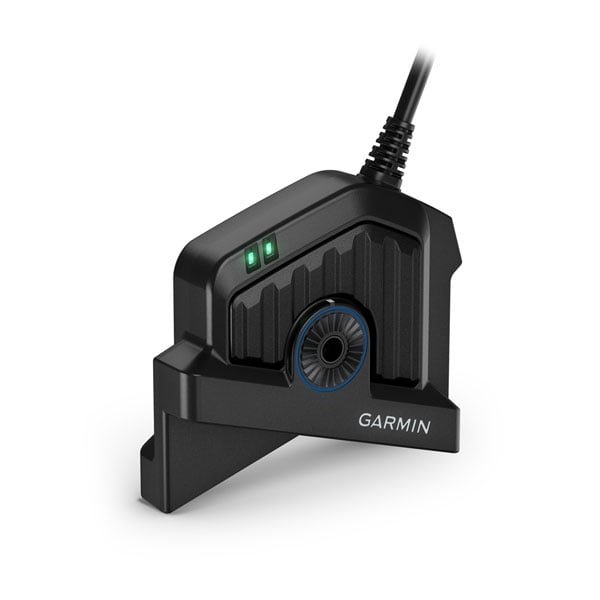
Garmin LiveScope 2 LVS44
Check Garmin LiveScope 2 LVS44 on Amazon
Model search, not a verified offer. Check the seller, exact components and availability.
LiveScope 2 connects to a compatible Garmin display and power source without a separate black box. Garmin’s product page describes bottom tracking to 250 feet in freshwater; the manual also says range depends on salinity, bottom and water conditions. Neither statement establishes a 250-foot saltwater lure-tracking distance.
Manufacturer specifications and package information
Pros
- One fewer separate sonar module to locate than the XR system.
- Forward, Down and Perspective viewing modes.
Trade-offs
- The headline range is not a verified saltwater target-recognition result.
- An existing Garmin display still needs an exact compatibility check.
Buying verdict: Choose it when the direct-connect arrangement and demonstrated useful range fit your normal fishing distance.
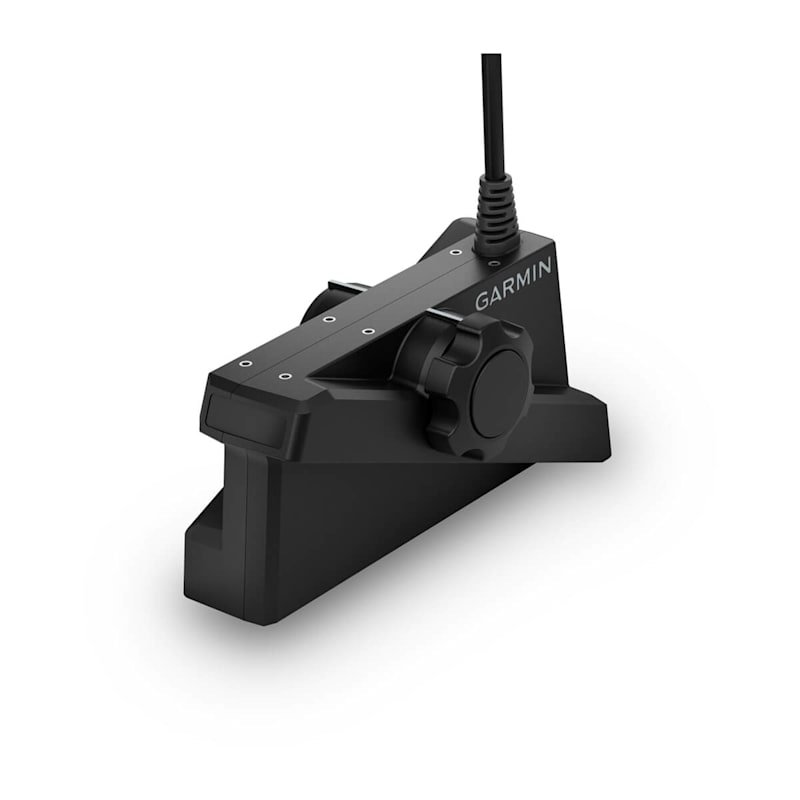
Garmin LiveScope XR LVS62
Check LVS62 transducer only on Amazon
Model search, not a verified offer. Check the seller, exact components and availability.
Garmin publishes separate freshwater and saltwater range figures for LiveScope XR: 500 and 350 feet respectively. The system uses the LVS62 transducer and GLS 10 module. A water-qualified specification is useful for screening options, but it does not demonstrate how a small bait looks at the edge of that range.
Manufacturer specifications and package information
Pros
- A published saltwater range figure gives the comparison a clearer condition.
- A defined LVS62 and GLS 10 system architecture.
Trade-offs
- The separate module needs space, wiring and access.
- Greater specified reach does not by itself establish better close-range detail.
Buying verdict: Shortlist XR for longer saltwater distances, then check the actual targets and installation rather than buying the largest range number.
Start with the target distance you actually need
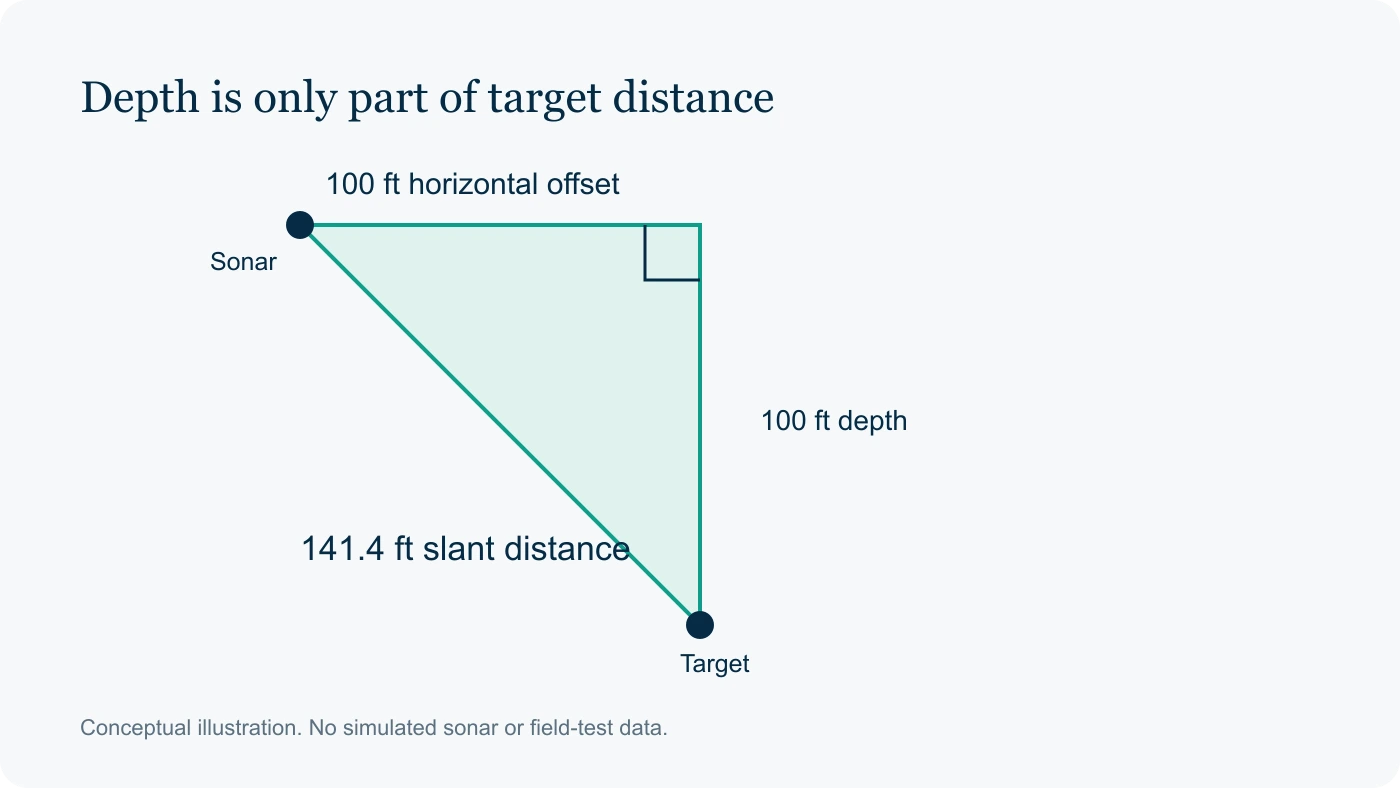
Depth alone is not the distance to a target ahead of the boat. Record both vertical depth and horizontal offset. A target 100 feet down and 100 feet away has a calculated straight-line distance of about 141 feet, before considering whether the sonar can resolve it.
Use the geometry to specify a demonstration distance. Do not use it to promise detection. A system that shows a large feature at that distance has not necessarily demonstrated that it can follow the smaller lure or bait that matters to your fishing.
What the available evidence establishes
The linked specifications identify the equipment and its stated limits. They do not establish a controlled performance comparison on your boat. Use the suggested checks to resolve the purchase decision, and keep any future observations tied to their settings and conditions.
Read the range specifications with their conditions
Garmin publishes XR figures of 500 feet in freshwater and 350 feet in saltwater. Its LiveScope 2 page describes bottom tracking to 250 feet in freshwater, with the manual qualifying performance by salinity and other conditions. Keep those distinctions visible in comparisons.
There is no supported basis here for subtracting the headline figures and calling the difference a measured saltwater advantage. Use the specified range to narrow the shortlist, then compare recognizable targets at the same distance and settings as closely as the systems allow.
Supporting documents: LVS44 product and water-type qualification; XR system contents and water-qualified range; Garmin family positioning; New-generation installation specifications.
Compare the complete upgrade path
XR uses the LVS62 with a GLS 10 module. LiveScope 2 connects directly to compatible display and power hardware. Check the exact display, network arrangement and firmware in either case; existing equipment should not be assumed compatible from the family name alone.
For an existing GLS 10 installation, ask what can be retained and what must change. For the direct-connect route, confirm the cable path and power connection rather than treating removal of a module as removal of installation work. Include mount handling and stowage in the quotation.
- Range condition: Freshwater, saltwater or unspecified.
- Target geometry: Depth, offset and calculated slant distance.
- Useful detail: What can actually be distinguished.
Record useful detail at equal distance
Choose an identifiable target and repeat the view while holding distance and orientation as consistently as practical. Compare whether the image answers the fishing question, not which color palette looks more dramatic.
The notes below separate a published specification from a result you can use on your own boat. Retain the unsuccessful observations as part of the record.
| Record | What to check |
|---|---|
| Range condition | Freshwater, saltwater or unspecified |
| Target geometry | Depth, offset and calculated slant distance |
| Useful detail | What can actually be distinguished |
| Installation | Display, GLS 10 if required, power and mount |
Buying Verdict
Choose it when the direct-connect arrangement and demonstrated useful range fit your normal fishing distance.
Shortlist XR for longer saltwater distances, then check the actual targets and installation rather than buying the largest range number.
Is XR always better offshore?
Offshore location alone does not establish a longer target distance. If the regular task is close bait or lure work, compare detail at that distance before choosing XR for its maximum-range specification. The recommendation depends on the target and presentation.
Should you keep a working existing system?
Keep it on the shortlist if it already answers the fishing question reliably. Document the specific shortcoming an upgrade must solve, then request a demonstration of that improvement. A newer generation is not, by itself, evidence that replacement is worthwhile.
Frequently asked questions
Should you choose LiveScope 2 or LiveScope XR for saltwater?
Start with the distance and size of the targets you need to follow. Compare the published range qualifications, then require real saltwater evidence for useful target detail. Include the exact display, module and mounting requirements in the decision. An offshore label alone does not establish whether your fishing demands the longer-range product.
Is the LiveScope 2 range directly comparable with XR saltwater range?
Garmin’s LiveScope 2 product page qualifies its headline range as freshwater, while XR documentation gives separate freshwater and saltwater claims. Those figures are not a controlled comparison. Read each claim with its stated water type. Useful saltwater target range remains unverified until a suitable demonstration supplies evidence.
How should a current Garmin owner compare upgrade costs?
Write two component lists, one for keeping the current installation and one for the proposed system. Identify the exact display, transducer, module, network adapters, mount and power wiring in each. Verify reuse against current compatibility documents. Compare the remaining purchase and installation costs before treating a transducer-only offer as the full upgrade price.
Final verdict
Before ordering, resolve freshwater qualification, display support and power routing for Garmin LiveScope 2 LVS44, or gls 10 installation, display support and useful target detail for Garmin LiveScope XR LVS62. Choose the documented installation that answers your regular fishing requirement. Leave the purchase open if a required compatibility or performance question remains unresolved.
Related reading
Sources
Manufacturer specifications and supporting documents. Consult the exact regional part number and manual before purchase.